Shared Air
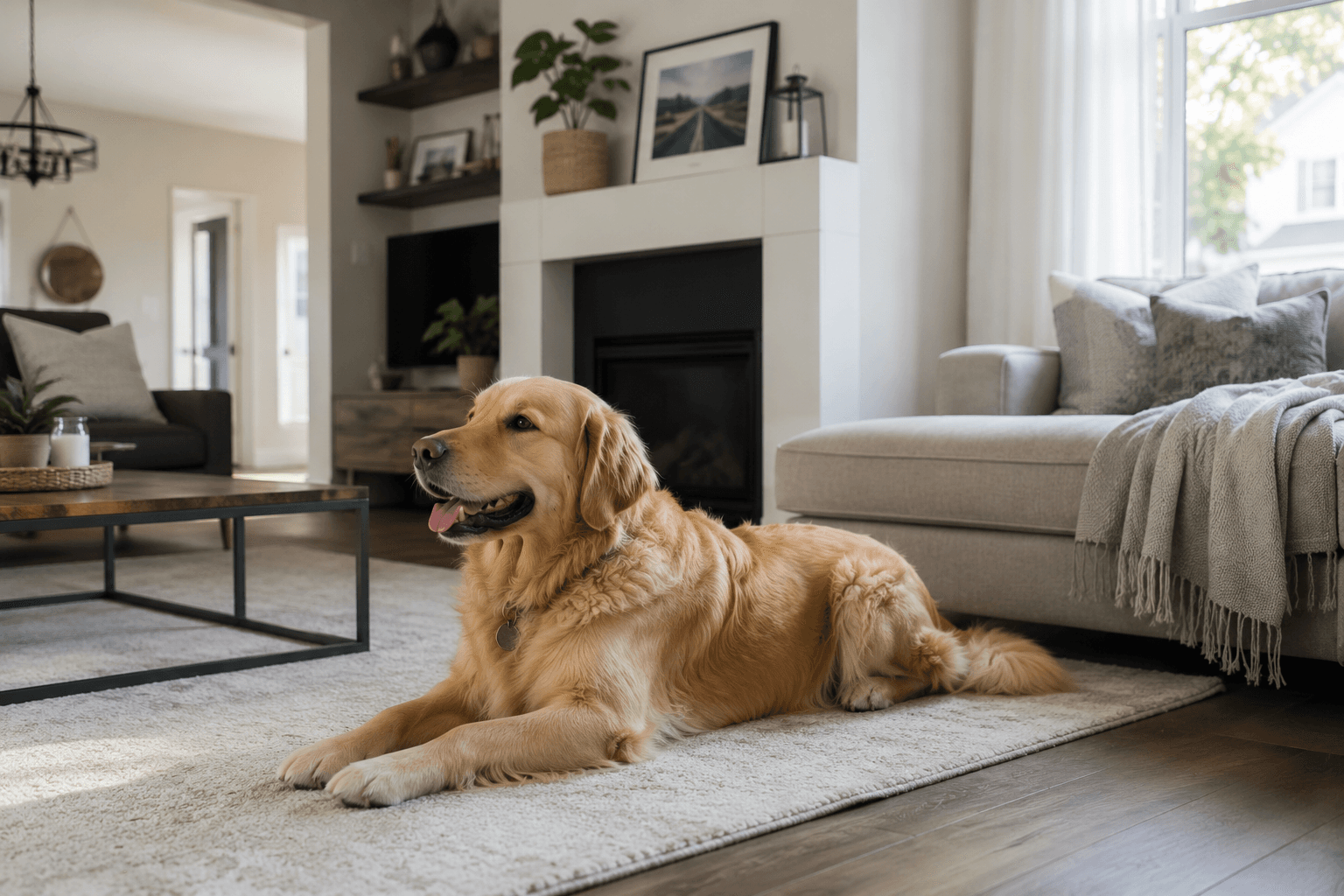
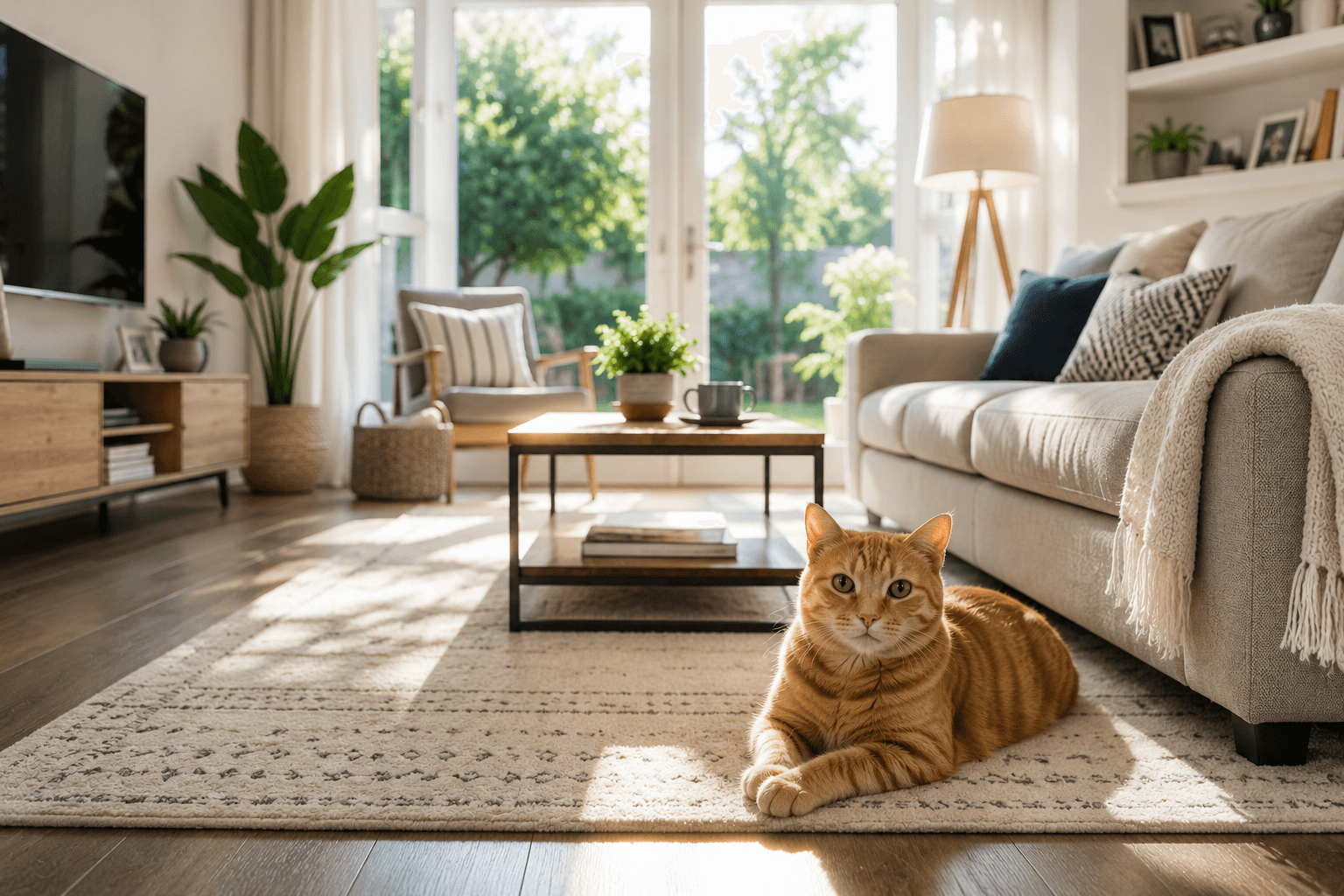
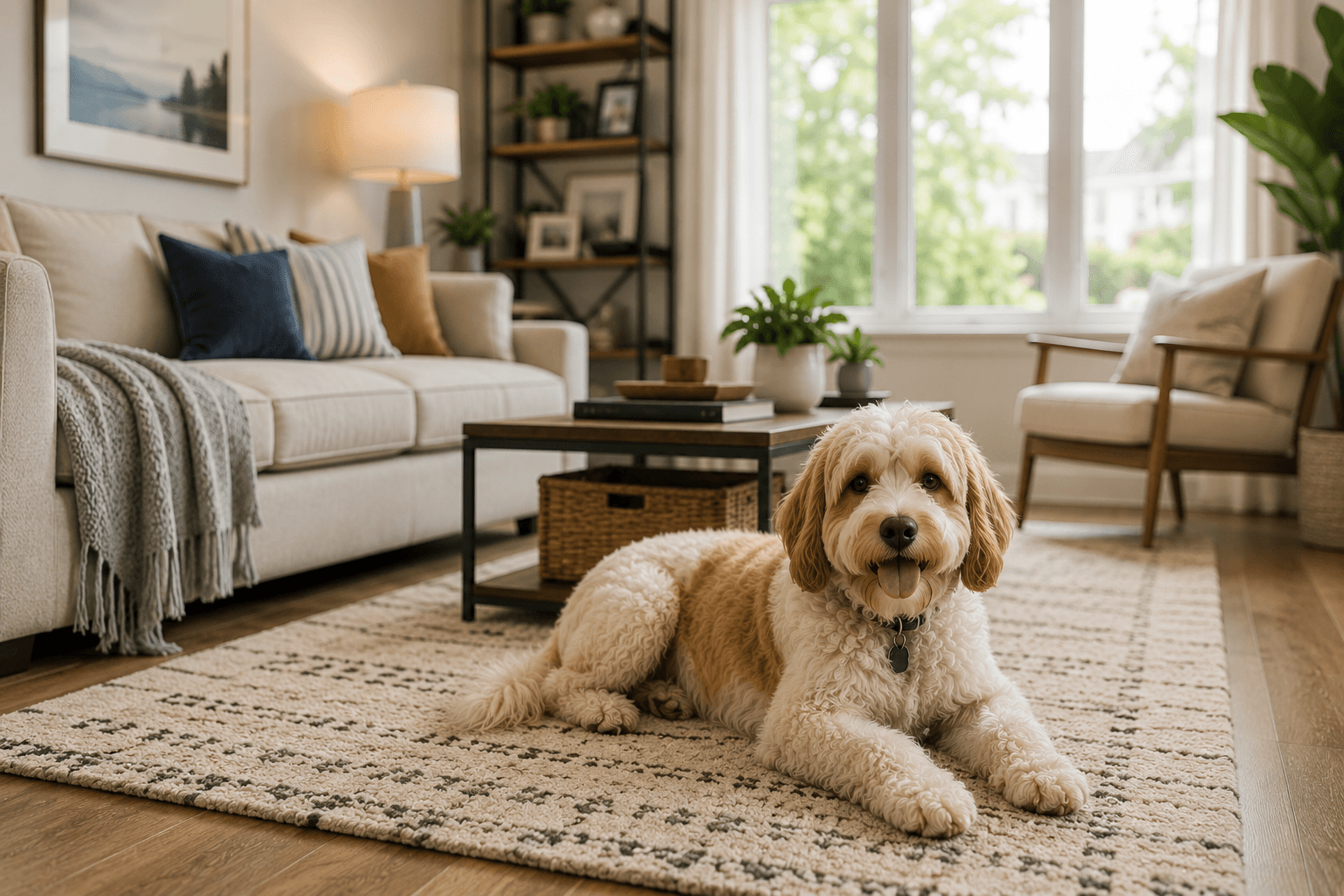
Pets continuously breathe the same indoor air circulating throughout the household.
Home & Pet Wellness
A Summary Report for Households with Suspected Mold Contamination
Pets share the same indoor air, floors, furnishings and living environments as the rest of the household. Understanding potential environmental exposure can help families make more informed decisions about their indoor spaces.
General educational information only — not a substitute for veterinary diagnosis or treatment.

1. Overview
Water damage, poor ventilation and high humidity can create conditions that support household mold growth. Pets share the same air, floors and soft furnishings as people and may spend more time close to ground-level surfaces where environmental exposure can occur.
Pets continuously breathe the same indoor air circulating throughout the household.
Many pets spend significant time close to floors, carpets, bedding and other soft furnishings.
Pets cannot communicate early symptoms, so environmental problems may continue before changes are noticed.
2. Effects of Mold Exposure on Pets
Exposure pathways
Pets may breathe airborne mold spores while sharing the same indoor air as the rest of the household.
Exposure may occur through spoiled food or by chewing materials that have been affected by mold.
Contact with mold-affected surfaces may contribute to allergic or irritant reactions involving the skin and coat.
2.2 Reported Symptoms by Body System
Reported signs can involve several body systems. These symptoms are not specific to mold exposure and should not be used as a diagnosis.
Sneezing, coughing, wheezing, nasal discharge and labored or rapid breathing may be reported.
Excessive scratching, licking or chewing, redness, inflamed skin, fur loss and unusual skin odor may occur.
When mold is ingested, reduced appetite, vomiting and changes in stool consistency may be reported.
Severe or prolonged exposure has been associated with lethargy, tremors, seizures and other systemic effects.
Reduced activity, reluctance to play, hiding or general lethargy may be noticeable.
2.3 Factors That Increase Risk
Individual vulnerability and the duration and intensity of environmental exposure can influence how serious an outcome may become.
Young, elderly or immunocompromised pets, and pets with pre-existing respiratory conditions.
Short-nosed breeds such as pugs, bulldogs and Persian cats, which may already be more prone to respiratory difficulty.
Prolonged time in damp or poorly ventilated areas where condensation or moisture can collect.
Exposure to certain toxin-producing mold species may be associated with more severe outcomes.
Concerned About Your Indoor Environment?
Complete the free Home & Pet Assessment and our ActivePure UAE team can contact you about your space.
3. Mold Type and Severity of Outcome
Reported outcomes vary depending on the mold involved, the amount of exposure and how long that exposure continues.
Brief, low-level exposure
Mild signs such as sneezing, occasional coughing or skin irritation may be reported.
Prolonged exposure in a damp home
Ongoing respiratory signs, skin irritation, secondary problems and reduced activity may occur.
Ingestion of moldy food or material
Vomiting, appetite changes and stool changes may occur; certain mycotoxins may cause more serious effects.
Exposure to toxin-producing species
The most severe reported outcomes are uncommon but can involve significant respiratory or systemic complications.
4. When to Seek Veterinary Care
Mold exposure cannot be diagnosed from symptoms alone. Contact a licensed veterinarian when a pet is unwell, particularly when symptoms are persistent or severe.
Labored, rapid or noisy breathing, or coughing that does not resolve
Bleeding from the nose or mouth, or coughing up blood
Repeated vomiting, ongoing appetite loss or stool changes
Tremors, seizures or sudden behavioral changes
Persistent scratching, hair loss or worsening skin sores
5. Reducing Household Mold Risk
Reducing household mold risk involves more than a single product or technology. Moisture control, appropriate remediation and ongoing awareness all matter.
Identify water damage, condensation, high humidity or ventilation problems that may support mold growth.
Significant mold contamination should be appropriately assessed and remediated rather than simply covered or ignored.
Indoor purification technology can be considered as one layer within a broader mold-response strategy.
Watch for persistent changes in breathing, skin, digestion, activity or behaviour and seek veterinary advice when appropriate.
Air Purification Technology: ActivePure
ActivePure is designed as an air and surface purification technology for occupied indoor environments.
5.1 How it works
ActivePure technology uses a catalyst-based process designed to generate reactive molecules that move through indoor environments rather than relying only on air passing through a traditional filter.
Practical takeaway
Purification technology should be considered as one part of a broader strategy that also includes correcting the moisture source, addressing significant contamination appropriately and monitoring pets for symptoms.
Home & Pet Wellness
Complete our short Home & Pet Assessment and the ActivePure UAE team can review your information and discuss suitable options for your space.
Get Your Free AssessmentThis page provides general educational information about indoor mold and pets. It does not provide veterinary diagnosis or treatment and should not replace consultation with a licensed veterinarian. If your pet is unwell or showing concerning symptoms, seek appropriate veterinary care.